
Roof Deck Damage: Findings and Next Steps
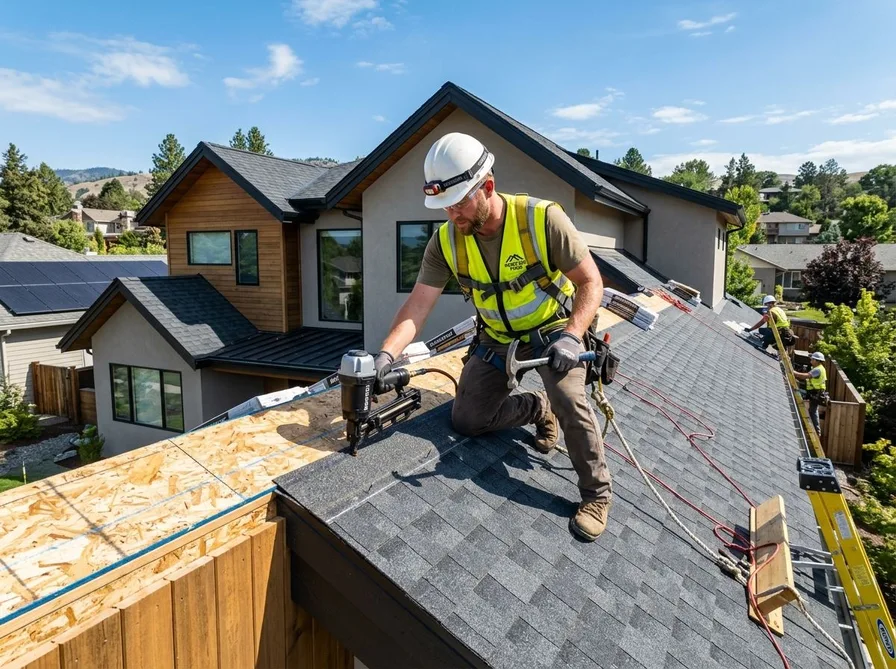
Removing an old covering can reveal conditions that were not visible during the initial assessment. Damaged decking is therefore a scope question to discuss before reroofing begins, not a surprise to handle only after the roof is open. The agreement should explain how findings are documented, evaluated and authorized while the work area is managed.
Why might the original assessment miss a defect?
Roof covering and waterproofing can conceal the substrate. Interior access may show some evidence but not every area, and unsafe or inaccessible spaces can limit assessment. An estimate should distinguish visible findings from assumptions about what remains hidden.
Do not treat the absence of a visible indoor stain as proof that all decking is sound. Conversely, a previous leak does not establish that every sheet needs replacement. The extent should be evaluated from actual findings once the relevant area is accessible.
What should be recorded when damage is exposed?
The record should identify the location and describe the observed condition. Photographs and a marked area can help the owner understand the boundary. Ask whether the finding concerns the deck alone or suggests another issue requiring a different professional's review.
Roofing work should not automatically be presented as a complete structural determination. If damaged framing or another significant concern is identified, the project team should explain the additional assessment needed rather than quietly extend the roofing scope beyond its agreed responsibility.
How can the price change be defined?
A proposal may use an allowance, a unit price or a separately approved added scope. Each approach needs clear wording about what work it includes. A measurement for material alone differs from a price including removal, labour and reinstatement of connected components.
Ask how the amount is calculated and who approves it. An allowance may be exceeded if findings differ from assumptions, while a unit price needs an agreed measurement basis. Neither replaces evidence of the actual work required.
What should the authorization procedure establish?
Identify the person who can approve changes and how they will be reached. For an association or commercial owner, the site representative may arrange access without having authority to increase the contract. Establish that distinction before removal.
Example: a roofer may expose a damaged area near an old leak and provide location photographs with a defined added scope. The owner can then evaluate the work and its price rather than receive an unexplained final addition. This is a planning example, not an Orian contract or job story.
How do hidden findings affect the sequence?
Additional evaluation or work can alter material and inspection stages. Ask how the exposed area will be protected and what can proceed while the finding is resolved. Do not assume the original completion estimate remains unchanged after the scope expands.
The selected assembly and applicable project documents govern the next steps. A universal fastening pattern or a generic online detail cannot replace the specification for the actual building.
What belongs in the final record?
Keep the original scope, documented findings, written approvals and final added work together. The installed-roof record should show what changed, not only that a new covering was applied. Applicable inspection results and offered coverage information should correspond to the completed scope.
Read roof replacement for the full project or commercial replacement for managed buildings. When contacting Orian, provide known leak history and ask how concealed conditions will be addressed in the proposed agreement.