
Options for Matching Discontinued Roof Tiles
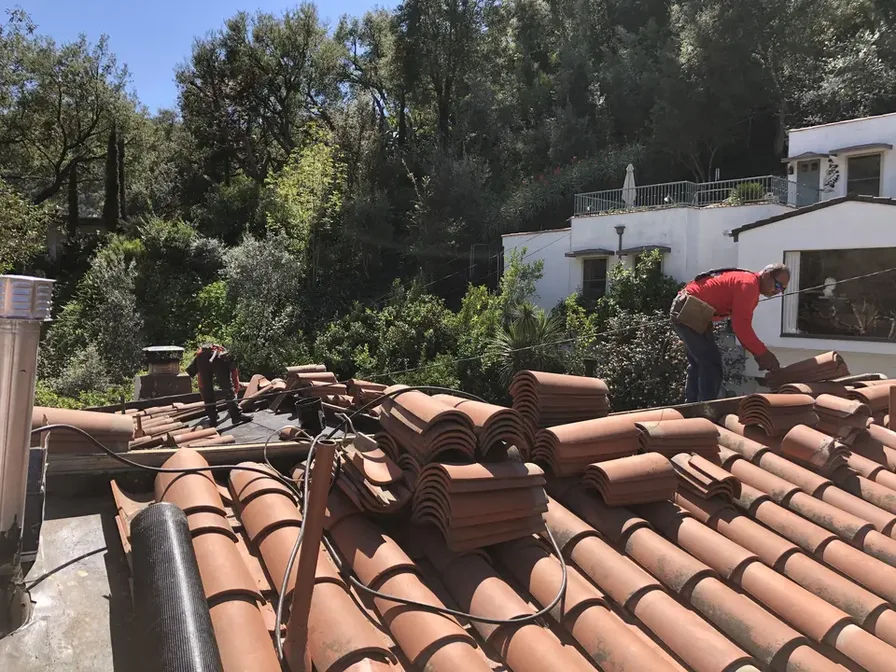
A matching repair requires more than finding a similar colour. Tile dimensions, profile and how pieces fit together matter to compatibility. When the original product is discontinued or difficult to identify, separate the functional repair decision from appearance expectations. Both deserve clear answers before replacement pieces are installed.
Identify the original tile before comparing substitutes
Gather product records, spare tile information and safe photographs. Markings on an available spare piece may help identification, but do not remove a tile from the roof yourself. A photograph of the visible surface may not establish the exact profile or dimensions.
Eagle Roofing's replacement guidance emphasizes the importance of matching size and profile. That guidance supports the compatibility question; it does not prove that a particular replacement is available or that Orian has a relationship with the manufacturer.
Why is a close colour match not enough?
A piece with a different shape or connection may not fit the existing assembly appropriately even if its finish looks similar. The contractor should explain whether a proposed replacement is compatible and how the repaired detail will be completed.
Avoid directing the repair around an attractive substitute before that question is resolved. The underlying waterproofing and attachment also need attention; a visually close tile cannot by itself establish that the leak source is corrected.
Can a compatible replacement still be visible?
New material can differ from weathered pieces. Finish variation, fading and previous replacement areas may already make the roof nonuniform. Set realistic appearance expectations using the available product and the existing condition rather than an assurance that the repair will be invisible.
Ask where replacement pieces will be placed and how their appearance will be assessed before work. If colour is controlled by an association or design approval, clarify the relevant requirements as part of the selection.
What options can be considered if the product is unavailable?
The assessment may compare available compatible pieces, an appropriately defined larger work area or a broader covering option. The suitability of each depends on the existing roof and approved assembly. Reuse or redistribution of existing pieces needs its own evaluation and should not be assumed permissible everywhere.
Example: a small repair in a highly visible area may lead to a different appearance discussion from the same repair on a less visible section. The waterproofing requirement remains important in both. This is a general example, not a promise of salvaged stock or an Orian job outcome.
Does difficult matching justify a whole new roof?
Not automatically. Availability and appearance are factors, but the condition of the assembly and feasible repair scope must also be assessed. The explanation should distinguish an owner preference for visual uniformity from technical findings requiring a larger intervention.
Use tile roofing for the system overview and roof repair for the defined scope. If a larger comparison is appropriate, replacement planning covers the whole-project questions.
What should be agreed before material ordering?
Record the identified or proposed product, compatibility basis and accepted appearance limits. Clarify what happens if availability changes or additional damaged pieces are found. A written choice avoids relying on a remembered description such as close enough.
Send Orian the address and any tile records with safe photographs. Explain whether the primary concern is a leak, visible damage or appearance after a previous repair. Those distinctions help the assessment resolve the actual question rather than promise an unverified exact match.