
Assessing an Open Seam on a TPO Roof
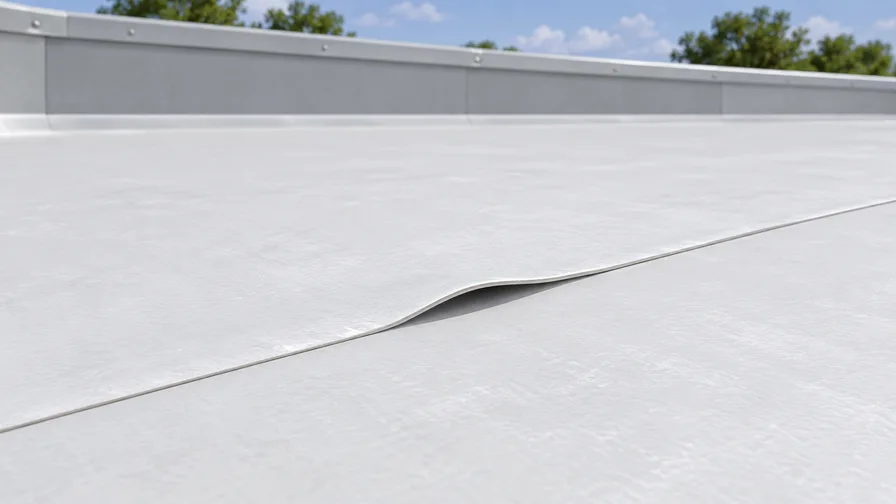
An open seam on a TPO roof is a defect to investigate, but it does not by itself establish the condition of the entire assembly. The assessment needs to consider the seam, neighbouring membrane and the possibility that water has affected materials below. A repair should address the confirmed scope rather than assume the visible opening tells the whole story.
How is a TPO seam different from an ordinary joint?
TPO membrane seams use a system-specific welding process. The preparation, materials and completed connection matter. A repair method intended for an asphalt-based assembly should not be assumed compatible simply because both roofs have overlapping sheets.
Carlisle's seam-checking information describes professional testing and checking of welded seams. That supports the need for a system-specific assessment; it is not an instruction for owners to probe or weld their roof.
What should be checked near the opening?
The membrane condition and surface preparation influence repair feasibility. Nearby details, previous patches and damage need consideration. If water has entered, its effect may not be confined to the narrow visible seam.
Ask the assessor to distinguish observations of the surface from findings about concealed materials. Further investigation may be useful for a specific question, but specialist testing should not be assumed included in every visit.
Does one opening mean all seams have failed?
No conclusion about every seam follows from one observed defect. The assessment should establish whether concerns are localized or occur across several areas. A roof history and previous repair record help determine what changed and where additional checks are appropriate.
Example: one opening beside a previously worked detail presents a different question from several areas with repeated interior symptoms. These are hypothetical scenarios, not a diagnosis or an Orian inspection report. The evidence should support the boundary of the repair recommendation.
Can the seam be repaired locally?
A compatible localized repair may be feasible if the relevant material and substrate remain suitable. The scope should identify preparation, repair materials and the affected area. Simply describing the task as sealing a seam does not establish how compatibility or the resulting connection is addressed.
If an existing warranty applies, review its reporting and repair provisions before assuming a particular treatment preserves coverage. The actual documents and provider requirements determine the process; a generic membrane name does not.
What if there are interior leaks too?
Record leak locations, dates and whether symptoms continue after rain. Interior evidence helps frame investigation but may not locate the entry point directly. The repair decision should consider other seams, flashing or equipment connections where the pattern warrants it.
If water is actively affecting occupied or sensitive areas, explain the impact and ask about urgent availability. Temporary attention and the permanent seam-repair scope remain separate discussions.
How should the completed work be recorded?
Keep the identified defect locations, final scope and any available photographs or inspection information. Note whether concealed findings changed the work. Retain product and coverage documents with the roof history so later maintenance or equipment work has the correct context.
Read commercial TPO roofing for assembly details and commercial repair for a project enquiry. Contact Orian with the address, roof records and symptoms rather than attempting a do-it-yourself treatment of the seam.