
Tracing Ceiling Moisture to a Roof Leak or Condensation
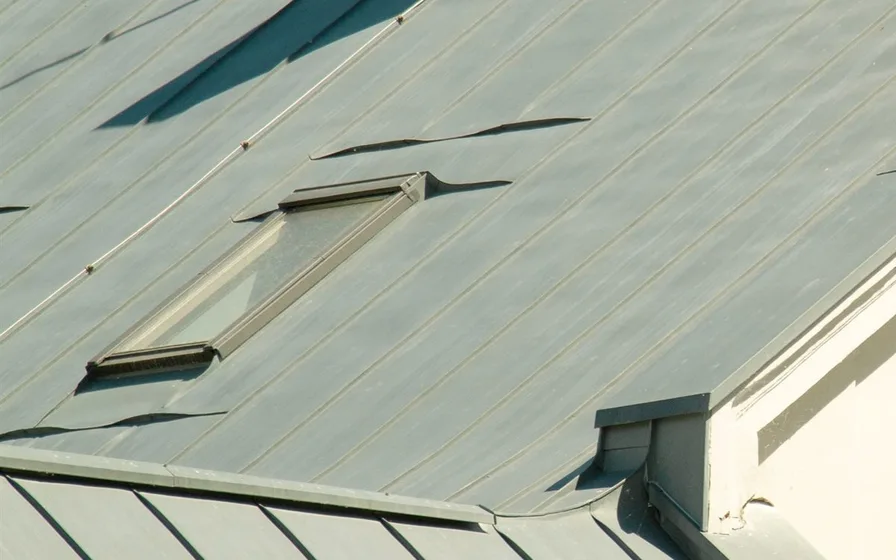
Moisture near a roof or attic can have more than one source. Rainwater entry and condensation may produce similar visible symptoms, so the pattern matters before a repair is selected. Describing when and where moisture appears helps the assessment distinguish roofing details from conditions involving the building or its equipment.
What should you record about the timing?
Note whether the symptom follows rain, appears during particular equipment use or occurs without rainfall. Include when it first began and whether its location changes. Safe indoor photographs and a short date record can be more useful than a single image without context.
Do not assume the absence of rain proves condensation, or that moisture seen after rain must originate directly above the stain. The observations narrow questions; they do not provide a complete diagnosis.
How can condensation resemble a roof leak?
Moisture can condense on surfaces under suitable temperature and humidity conditions. GAF's condensation guidance explains that visible signs can resemble leak symptoms. Roof and attic conditions may therefore need consideration alongside exterior entry points.
The required response depends on the cause. Installing a new covering is not a complete diagnosis of indoor moisture, and adding a vent is not an automatic solution for every attic layout.
Which connected systems may matter?
Attic ventilation, insulation and equipment-related moisture can interact with the building. If a symptom follows an air-conditioning change or appears near a duct or unit, report that history. A roofing provider may need to coordinate findings with the appropriate building-service provider.
The scope should explain where each investigation begins and ends. Roofing, mechanical work and interior restoration should not be combined into an unspecified promise that the roof repair fixes every moisture issue.
What roof details still need checking?
Covering, seams, flashing and penetrations remain relevant where the pattern suggests water entry. A roof can have more than one concern, so identifying a possible condensation issue does not prove the exterior assembly is free of defects.
Example: droplets observed without rain and a separate stain that grows only during wind-driven showers could require consideration of different sources. This is a hypothetical distinction, not a diagnosis of a home or an Orian job story.
Can one extra vent solve the problem?
Ventilation needs to be considered as a system, with the actual layout and relevant product requirements. GAF's ventilation bulletin shows why arrangements should be evaluated rather than mixed indiscriminately. It does not prescribe a ventilation design for your property.
Ask what problem the proposed change addresses and whether other work or evaluation is needed. A material or vent product selected before assessment can leave the original cause unexplained.
What should the proposed work state?
Identify the findings, any further investigation and the defined corrective task. If the roof detail is repaired, clarify what remains outside that scope. If another system needs attention, establish the handoff and responsible provider rather than expect the homeowner to infer it.
Our inspection page explains assessment scope, while roof repair covers a confirmed roofing defect. Contact Orian with symptom dates and any equipment or building changes so the enquiry begins with the pattern, not an assumed cause.