
Why Roof Leaks Can Return After Repairs
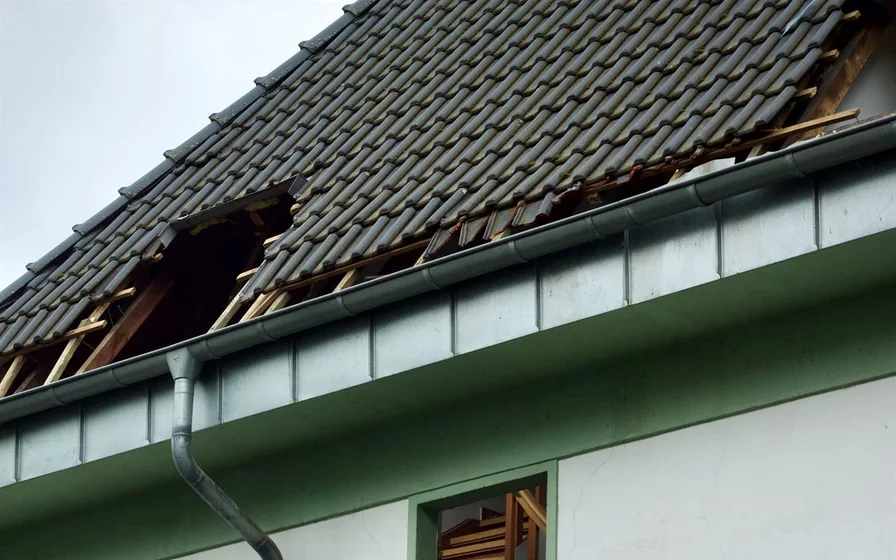
When water appears after a repair, the next assessment should compare the new symptoms with the earlier work. A recurrence can involve the treated detail, another source or a wider condition that was not part of the original scope. Reporting the leak history clearly is more useful than assuming the same treatment needs repeating or the whole roof must be replaced.
Is the symptom actually the same?
Record where moisture appears, whether it is active and when it occurs. An unchanged stain can remain after a leak has been addressed, while a growing mark or fresh drip provides different information. Photographs from different dates help distinguish those observations.
Note the rain conditions and whether symptoms changed after the repair. If the new water appears in another area or during a different pattern of weather, keep that distinction in the record rather than describing everything as the original leak.
What did the earlier agreement cover?
Find the written scope, defect location and any completion photographs. A localized repair has a boundary, and the remaining roof may not have been included. Understanding that boundary helps the next provider assess whether the concern relates to the treated area or another detail.
Keep any coverage documents available and follow the actual reporting process. This guide cannot determine responsibility or coverage for a particular repair. The provider needs the history and findings to evaluate the concern.
What should the new investigation consider?
The assessment may need to revisit the treated connection and nearby details, compare accessible evidence and identify further questions. Water visible inside may not align directly with the entry point. Later equipment or building work can also alter the pattern.
Example: a repair at one roof opening may resolve that defect while water later enters at an adjacent wall connection. Conversely, continuing symptoms may mean the original scope needs reassessment. These are illustrative possibilities, not diagnoses or Orian case studies.
Should another surface treatment be the first step?
The cause should be reassessed before selecting a product. Repeating an earlier treatment without examining the pattern can conceal useful evidence or leave another detail unaddressed. Provide the previous materials and work description where available; do not remove repairs yourself to prepare for a visit.
If an opening or specialist investigation is proposed, ask what question it will answer and how it changes the scope. A visual visit should explain what is accessible and what remains uncertain.
When is a wider roof assessment useful?
Several recurring locations, extensive prior repairs or deterioration beyond the treated area may justify broader evaluation. That does not automatically mean replacement. The findings should compare the limitations of further repair with other options and distinguish condition evidence from a generic age rule.
Use roof repair for the current enquiry and roof inspections to discuss broader assessment. If findings warrant a larger comparison, replacement planning explains the project questions.
What should you report now?
Send the property address, symptom dates, photographs and original scope. Identify any work performed by other providers since the repair. Explain whether water is entering at this moment and whether it affects a sensitive or occupied area.
For current active water entry, ask about urgent availability. Contact Orian with the records so the next discussion can resolve what changed rather than begin with an assumed repair.