
Roof Records to Gather Before Selling a Property
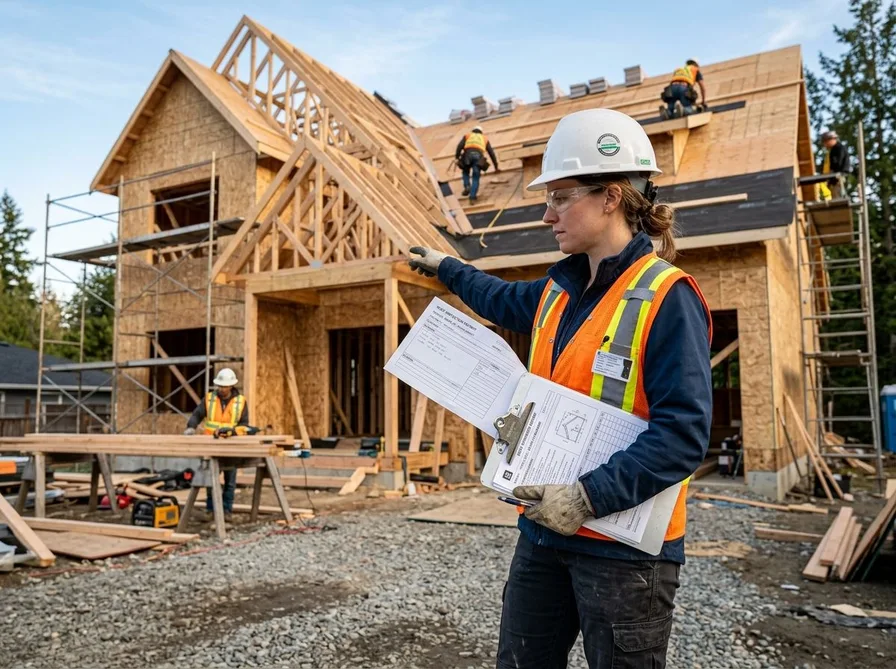
Roof records help explain what is installed and what work has been performed. Before selling a property, organize those records so questions can be answered accurately. A folder of actual scopes and completion documents is more useful than a remembered installation date or a broad assurance that the roof has never had a problem.
Separate original installation from later work
Keep the covering's installation information distinct from repairs, coating or work on an addition. One recent project date may relate to only part of the roof. Identify which areas each document covers, especially if the property has several assemblies.
If the installation date is unknown, do not substitute the home's age or a previous owner's recollection as a confirmed fact. State what the records show and what remains uncertain. A current assessment can describe condition without rewriting the history.
Which documents show the installed assembly?
Retain the final scope, product information and approved changes. Sales literature for an option that was discussed but not installed should not be mistaken for the completed specification. Material names, roof sections and connected details help a future provider understand the assembly.
Include relevant permit or inspection records where applicable. Their purpose differs from a contractor's invoice or warranty document, so keep each identifiable rather than assume one replaces the others.
How should previous repairs be described?
List dates, locations and the work performed from available records. Keep photographs and assessment information alongside the repair scope. A repair to one detail does not establish that every area was renewed, and an old stain does not prove there is an active leak now.
Example: records may show a main roof installation followed by a later porch repair and skylight work. Presenting these as separate tasks explains the history more accurately than saying the entire roof was recently replaced. This is an illustrative records example, not an Orian project.
What should you know about coverage documents?
Identify the provider and actual terms of any coverage offered. If transfer, registration or reporting requirements appear in the documents, retain the relevant records. Do not promise a buyer that coverage transfers or lasts for a particular period without checking the applicable terms.
The material and workmanship coverage guide explains how categories can differ. It does not determine a particular transaction's legal obligations or a provider's claim decision.
When might a current assessment help?
If the roof's present condition is unclear or a question concerns new symptoms, discuss an assessment with a defined scope. A visual visit should explain accessible findings and limitations. It cannot establish the condition of every concealed layer or guarantee performance after the sale.
Use roof inspections to discuss the purpose and report. If a buyer, insurer or other party requests a particular document, identify that requirement rather than assume every roofing report satisfies it.
How should new work be added to the record?
Keep the final agreement, approved changes and completion information together. If a repair or replacement is performed, distinguish the completed task from an earlier recommendation or an option not chosen. Record any separate provider handoff or excluded work.
Organizing facts does not require inventing a remaining-life estimate or upgrading an ordinary repair to a full reroof. The aim is an accurate history that supports a later assessment. Contact Orian with the address and available records if a current roofing question needs investigation before the property decision.