
Coordinating a Shared Condominium Roofing Project
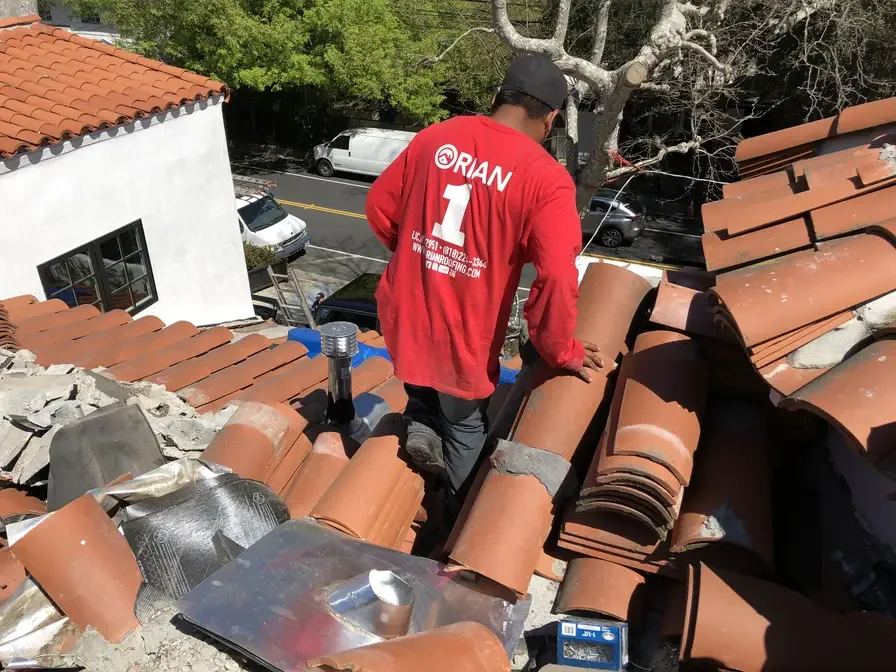
A leak reported inside one unit can lead to work on a roof serving several owners. Organizing that project requires a clear distinction between reporting a symptom, authorizing access and approving the scope. Roofing findings and ownership responsibilities should be established together without assuming the person who sees the leak controls the exterior work.
Who is authorized to make each decision?
Identify the party responsible for the roof under the property's governing documents and the person authorized to approve work. The site manager may arrange entry while another party approves expenditure or material changes. Establish those roles before an urgent visit becomes a permanent project.
This is a project-coordination question, not a determination of legal responsibility for a particular association. Where governing documents or responsibilities are unclear, resolve them with the appropriate property representatives before relying on an assumption.
How should unit symptoms be recorded?
Use unit numbers, room descriptions and dates. Several reports should remain identifiable rather than be condensed into the roof leaks somewhere. A marked plan can help connect interior locations with roof areas and shared equipment.
Example: two units may report moisture after the same rain while their locations suggest different details. The assessment needs to consider both reports rather than assume a single opening accounts for all symptoms. This is an illustrative example, not an Orian condominium project.
What does the roof assessment need to distinguish?
Define the assembly, accessible areas and limits of investigation. Shared roof zones may include different materials or installation periods. The findings should identify confirmed defects, further questions and proposed work boundaries.
An ordinary roofing assessment does not automatically satisfy every building certification or engineering requirement. If such documentation is needed, identify the requested report and qualified provider separately. See roof inspections for a scope discussion.
How should the project scope address connected equipment?
List equipment, hatches, penetrations and other interfaces that affect the work. Establish which service provider is responsible for shutdowns, removal or reinstatement. The roofing agreement should say whether it includes only flashing at a component or work on the component itself.
Compare a localized commercial repair with a broader replacement when the findings warrant it. Neither option should be chosen solely to simplify the approval route.
What should residents know about the sequence?
Agree on a communication contact and how changes reach residents. Discuss entrances, pedestrian routes, noise-sensitive periods and delivery access. A proposed phased approach needs to be evaluated for the actual roof and drainage, not assumed suitable because the building remains occupied.
Explain the difference between temporary protection and permanent work where an active leak starts the enquiry. An attendance window does not establish completion of every repair on that visit.
How can records remain useful after management changes?
Keep the assessment, approved scope, added-work decisions and final product information in one property record. Include applicable inspection results and actual offered warranty terms. Identify which maintenance or equipment-access responsibilities continue after completion.
When a later unit report arises, those records show what area was treated and what assembly remains. That makes a new assessment more precise than relying on a manager's memory of roof work years earlier.
Contact Orian with the address, authorized representative, unit reports and access requirements. The commercial roofing hub connects related services for an operating shared property.