
How to Prepare Your Miami Roof for the Atlantic Hurricane Season
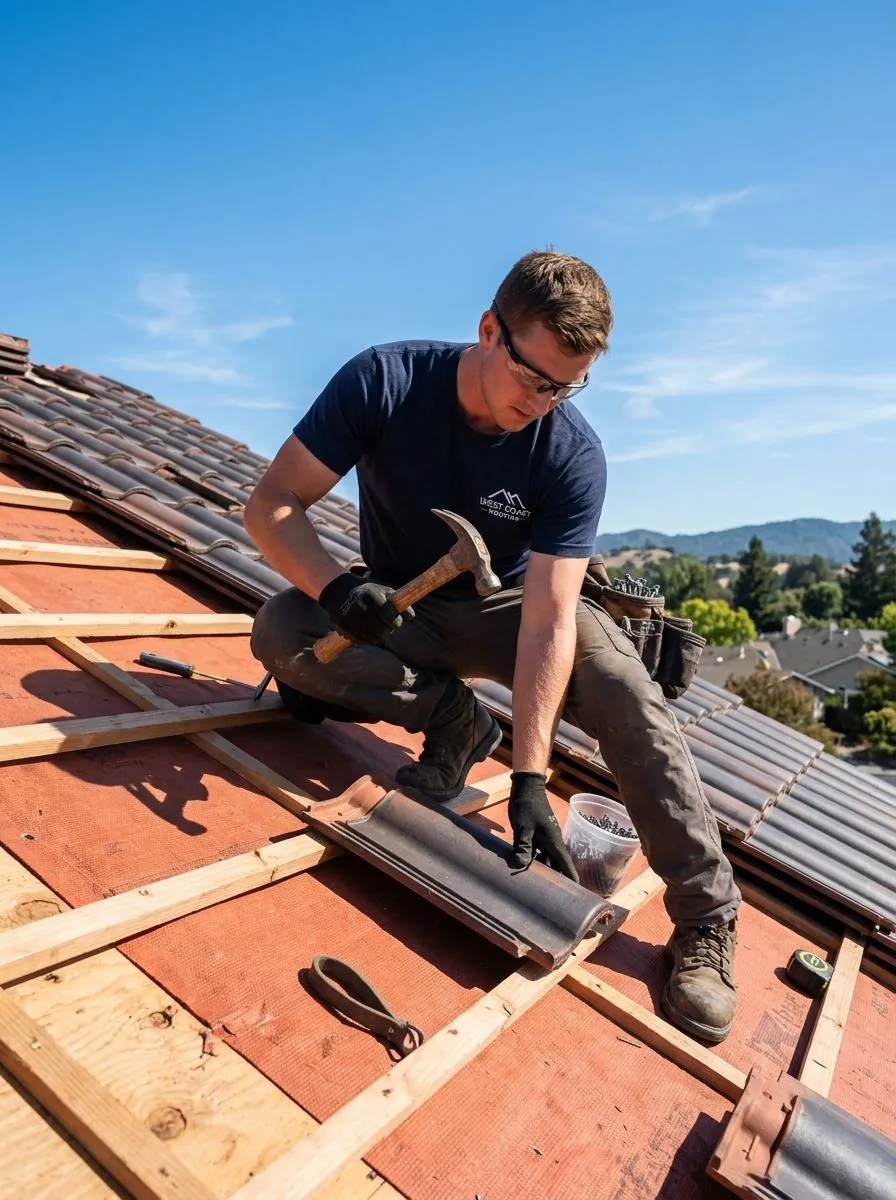
Hurricane season brings extreme wind and torrential rain to South Florida from June through November. Ensuring your roof is structurally sound before a storm hits is the single best way to prevent catastrophic wind damage, roof collapse, or devastating water leaks. Here is Orian Roofing's professional pre-season guide to securing your roofing system.
5 Critical Roof Prep Steps
Don't delay preparations until a hurricane watch is issued to secure your home. Take these 5 essential steps early to fortify your roof against tropical storms:
1. Schedule a Professional Inspection
Minor vulnerabilities like loose flashing, cracked sealant, or tiny leaks can lead to catastrophic failures under storm-force winds. A professional pre-season inspection checks every seam, valley, and connection.
2. Secure Loose Shingles and Tiles
High winds easily get under loose shingles or tiles, creating an aerodynamic lift that peels away large roof sections. For shingles, we seal loose tabs down. For tiles, we reinforce bonds using code-approved polyfoam adhesives.
3. Clean & Reinforce Gutters
During a hurricane, your roof must shed inches of water per hour. Clogged gutters cause water to back up under the roof eaves, rotting wood and flooding the attic. Ensure brackets are tight, or upgrade to heavy-duty seamless gutters.
4. Trim Overhanging Tree Limbs
Heavy branches snap easily in high winds, acting as high-impact missiles that shatter tiles, puncture shingles, or cause structural damage. Prune any trees within 10 feet of your roofline.
5. Know Your Emergency Response Plan
Keep Orian Roofing's phone number on hand. If a storm punctures your roof, our team responds with emergency tarping to mitigate interior damage until permanent repairs can be made.
Common Hurricane Roof Damages We Repair
Miami roofs face specific stresses during storm season. Being aware of these common damage types helps you spot issues after a storm passes:
Shingle Tear-Off & Wind Lift
High winds pull shingles off, leaving the roof deck and underlayment completely exposed. Architectural shingles have better wind ratings but still require proper fastening.
Loose or Broken Ridge Tiles
Ridge tiles on hips and peaks experience the highest wind forces. When ridge mortar breaks, tiles fly off, creating paths for major water leaks.
Metal Panel Fastener Failure
On older metal roofs, screws can work loose over time. Strong storm winds can catch the edges of metal panels and bend or rip them away.
Valley Flashing Water Backups
Heavy rain channels in valleys can overflow if clogged by storm debris, forcing water under tiles or shingles and causing sudden interior leaks.
Flying Debris Puncture Damage
Debris blown from neighboring yards or falling branches can puncture roofing membranes, crack concrete tiles, and damage flashing systems.
Miami Homeowner's Pre-Season Checklist
Perform this simple checklist from the ground and inside your home to assess your storm readiness:
Walk around your home and use binoculars to inspect the roof. Look for crooked tiles, curling shingles, or sagging sections.
Remove leaves and branches from valleys, eaves, and gutters to allow optimal water drainage during heavy downpours.
Go into your attic with a flashlight during a heavy rainstorm. Look for damp trusses, dark wood stains, or active dripping.
Ensure downspouts are securely attached and direct water at least 3 to 5 feet away from your home's foundation.
Schedule a certified pre-hurricane inspection with Orian Roofing to identify hidden underlayment or structural issues.
Understanding Miami-Dade HVHZ Building Codes
Miami-Dade County has some of the strictest building codes in the nation, known as the High-Velocity Hurricane Zone (HVHZ) standards. Any roofing repair or replacement in Miami must comply with these codes, which mandate high-wind resistance tests, specific underlayment materials, and strict fastening patterns. Orian Roofing ensures all installations and storm repairs are fully code-compliant.
Why Gutter Maintenance is Critical in Hurricanes
While gutters don't protect against wind, they are the key to managing the massive rainfall of tropical storms. Clean gutters direct water away from the roof line. Clogged gutters force water back up under your shingles or tiles, rotting fascia wood and causing leaks directly above your ceilings. Make sure your gutter brackets are reinforced before the storms arrive. Explore our gutter services in Miami.
When Roof Leaks Indicate Replacement Is Needed
Roof leak repair is the right choice for isolated, repairable damage. However, some conditions indicate that repair is no longer sufficient:
- The roof is past its expected service life (20 to 25 years for asphalt shingles, longer for tile and metal)
- Leaks are recurrent and widespread despite multiple repairs
- Roof deck, rafters, or framing show rot or structural compromise
- Roofing materials are severely deteriorated, warped, or granule-depleted
- Water-damaged insulation has significantly degraded energy efficiency
Explore our residential roof replacement and commercial roof replacement services.