
Roof Assessment Questions for Home Buyers
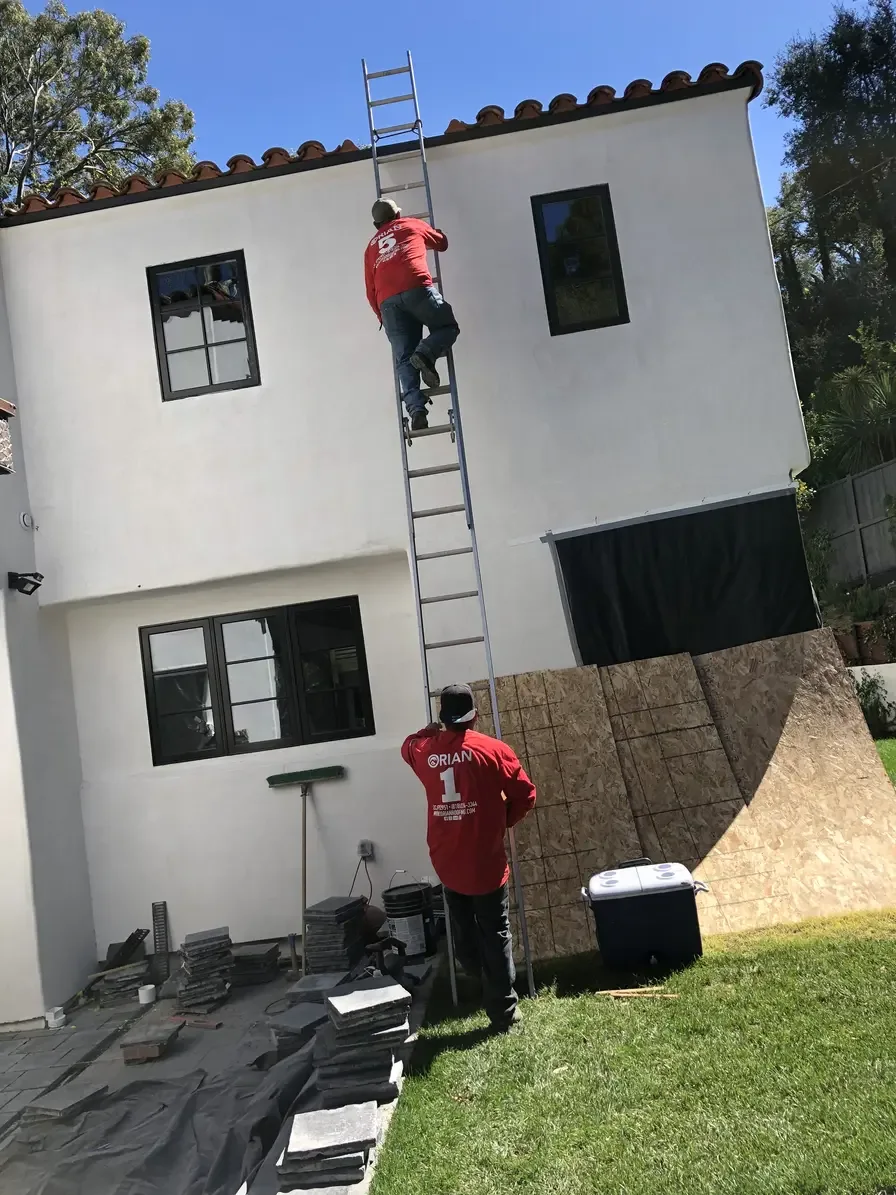
Before buying a property, a roof assessment can help you understand current findings and the questions that remain. It should not be treated as a promise that the roof will perform for a fixed number of years. Tell the roofing provider the purpose of the visit and the decision deadline so the offered scope and documentation can be confirmed.
What records can the seller provide?
Request installation documents, repair scopes, available product information and relevant project records. Keep dates tied to the actual work: a recent patch is not the installation date of the whole covering. If records are unavailable, that uncertainty should remain explicit.
Do not assume the home's construction date establishes the roof age. Additions and later reroofs can create several assemblies with different histories. The assessment should identify the areas being reviewed rather than reduce all roof sections to one age.
What can a visual roofing visit establish?
Visible covering, accessible details and reported interior symptoms can inform the findings. Concealed layers, inaccessible spaces and unsafe areas may limit the visit. Ask the provider to identify those limitations instead of implying every hidden condition was checked.
An ordinary roof assessment may differ from the report an insurer, lender or another party requests. Confirm the required document and whether the provider offers that scope before relying on the visit to satisfy it.
How should findings be prioritized?
Distinguish defects needing attention, further investigation and observations to monitor. A recommendation should connect to a location and explain the evidence. The report should not use an age threshold as a substitute for describing the condition.
Example: an isolated flashing concern may support a focused repair enquiry, while deterioration across several roof areas may warrant a larger comparison. These examples are hypothetical. They do not establish what a buyer should accept or what Orian found at a property.
What does a remaining-life estimate mean?
Any such estimate should state its assumptions and inspection limits. It cannot guarantee a date when repair or replacement will become necessary, and it does not predict every storm or concealed issue. Treat the explanation as planning information rather than a promise.
Ask which observed conditions support the view and what could change it. A useful answer may identify uncertainty or additional investigation instead of offering one confident number for every component.
How can you turn a recommendation into a defined scope?
If the findings identify work, request a proposal specifying the area, materials, preparation and exclusions. An inspection observation is not a complete repair agreement. Clarify whether interior restoration or connected components are included and how hidden conditions are handled.
Our repair page and replacement page explain project alternatives. These pages do not determine the financial or contractual decision in a property purchase; they help make roofing work understandable.
What access needs to be arranged?
Coordinate entry with the owner or authorized representative. Explain the rooms involved, roof-access restrictions and whether relevant records can be available. A deadline should be communicated early without assuming an appointment or report-delivery time.
For a condominium, distinguish the unit assessment from a common roof and identify who controls records and access. Shared-roof planning explains those coordination questions.
Contact Orian with the address, purpose, deadline and available history. Use roof inspections to discuss the actual visit and report scope before relying on it for the purchase decision.